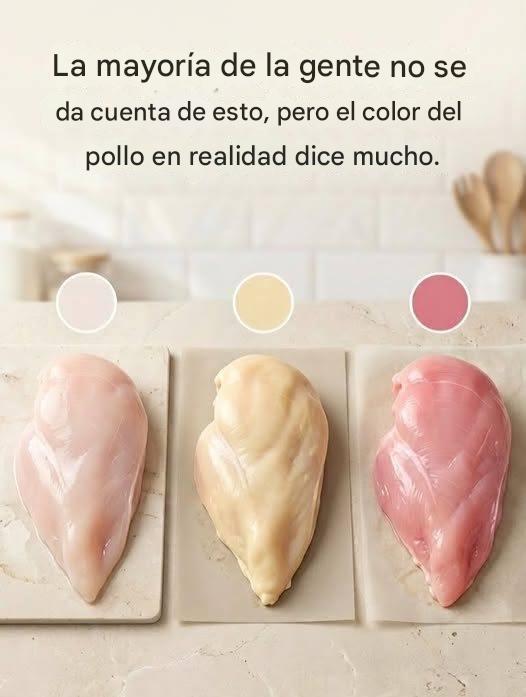
Pale chicken is usually the product of modern commercial farming. These birds are bred to grow quickly and efficiently. Their diet is carefully controlled and optimized for rapid weight gain. They spend much of their lives indoors with limited movement. This system produces large volumes of affordable meat in a short time, which is why pale chicken dominates most grocery stores. The lighter color does not necessarily mean the meat is unsafe or unhealthy, but it does reflect a life built around efficiency rather than natural behavior.
Yellow chicken, on the other hand, often points to a different upbringing. The color usually comes from the bird’s diet. Feeds rich in natural pigments such as corn, marigold, and other carotenoid containing plants deepen the color of the skin and fat. Birds that spend more time outdoors pecking at grass and insects also develop this golden tone. Slower growth and greater movement tend to produce firmer texture and richer flavor. For many people, this is the chicken that tastes like real chicken.
However, color can also mislead. Some producers intentionally enhance the yellow tone by adjusting feed formulas, not because it improves quality but because shoppers associate yellow chicken with being more natural or superior. In these cases, the bird may still be raised in intensive conditions while merely looking more rustic. That is why color alone is never a reliable measure of how the animal lived or how the meat will taste.
Para conocer los tiempos de cocción completos, vaya a la página siguiente o abra el botón (>) y no olvide COMPARTIR con sus amigos de Facebook.